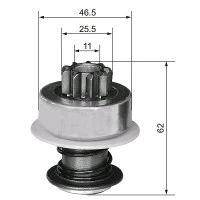
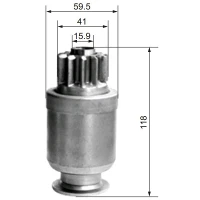
Installing an Overrunning-Clutch Drive correctly is crucial for ensuring the longevity and performance of the starter motor system. Also known as a one-way clutch or starter drive assembly, this component transfers torque from the starter motor to the engine flywheel while preventing reverse rotation. Proper installation reduces wear, prevents malfunction, and ensures smooth engine starts.
1. Verify Compatibility Before Installation
The first step is to ensure that the overrunning-clutch unit matches your vehicle's specifications. Check the following:
Using the wrong starter drive assembly or Bendix drive replacement can cause poor engagement, excessive wear, or starter failure.
2. Inspect All Components
Before installation, inspect the starter pinion gear, shaft, bearings, and the overrunning clutch itself for any defects or wear. Ensure that all parts are clean, free of debris, and properly lubricated. Even minor dirt or scratches can lead to premature failure.
3. Proper Lubrication
Lubrication is essential for smooth engagement and long-term durability. Apply a thin layer of high-quality grease to the starter pinion gear, splines, and clutch interface. Avoid over-lubrication, which can attract dust and dirt, potentially causing jams or uneven wear.
4. Correct Alignment During Installation
Ensure that the overrunning-clutch drive is properly aligned with the starter motor shaft and the engine flywheel. Misalignment can lead to gear grinding, incomplete engagement, and damage to both the starter drive assembly and the flywheel. Using alignment tools or following the manufacturer's guidelines helps prevent these issues.
5. Tighten Fasteners to Manufacturer Specifications
All bolts and fasteners should be tightened to the torque values recommended by the manufacturer. Over-tightening can warp components, while under-tightening may cause vibration or disengagement. Proper torque ensures a secure installation and reduces the risk of future failures.
6. Test Engagement and Freewheeling
After installation, test the starter motor to confirm that the overrunning-clutch drive engages smoothly and disengages properly once the engine starts. Listen for unusual noises such as grinding or clicking, which may indicate misalignment or improper installation.
7. Regular Maintenance Checks
Even with correct installation, periodic inspection of the starter drive assembly is recommended. Check for wear on the starter pinion gear, clutch rollers, or sprags. Early detection of wear extends the lifespan of your starter motor and reduces the risk of unexpected failures.
Following these best practices ensures reliable performance and longevity of your Overrunning-Clutch Drive and starter system. For high-quality starter drive assemblies, overrunning clutch units, and professional technical guidance on installation, contact Wuxi Superhuman Gear Cold Extrusion Co., Ltd. We provide durable, precise solutions to support your engine starter needs.